Rosa Grigorievna Korovina was born on January 4, 1937, in the village of Varino, Rovensky District, Voronezh Region, USSR.
She was of German ethnicity and spent virtually her entire working life in the agricultural sector of the Soviet Union.
She died on December 6, 2005, and lived her later years in the Promyshlennovsky District of Kemerovo Region (Kuzbass), Russia.
Career
Korovina devoted her entire career to the state farm (Sovkhoz “Zarya”) in Promyshlennovsky District, Kemerovo Region.
Employment History
- Began working at Sovkhoz “Zarya” in 1955.
- Became a swine breeder (pig farmer) in 1958.
- Worked continuously in livestock production for several decades.
- Earned the title “Master Livestock Breeder, First Class”.
- Served as a mentor for younger agricultural workers.
- Participated in public and community activities, including the Soviet system of People’s Control.
- Was entered into the farm’s Book of Honor and the district’s Honor Board.
Her husband and family remain largely undocumented in available public sources.
Professional Achievements
Korovina became one of the leading pig breeders in Kemerovo Region and was recognized throughout the Soviet agricultural system.
During the Eleventh Five-Year Plan (1981–1985), she achieved remarkable results:
- Raised 3,907 piglets.
- Managed 35 breeding sows.
- Maintained a piglet survival rate of 99%.
- Achieved an average weaning weight of 20 kilograms.
- Averaged 9.7 piglets per litter per sow.
These figures were considered exceptional by Soviet agricultural standards.
Her methods were officially recommended for wider adoption by the Main Administration for Agricultural Science and Propaganda of the USSR Ministry of Agriculture.
Participation in VDNKh
Korovina was a multiple participant in the Soviet Union’s prestigious Exhibition of Achievements of National Economy (VDNKh USSR) in Moscow.
Participation in VDNKh was reserved for the country’s best-performing workers and agricultural specialists.
She received various VDNKh awards and medals in recognition of her accomplishments.
Order of Labor Glory Awards
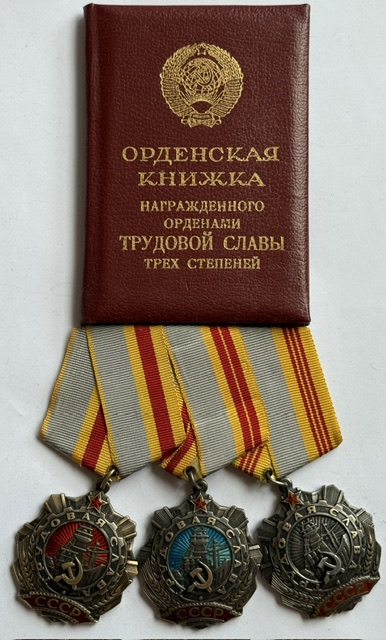
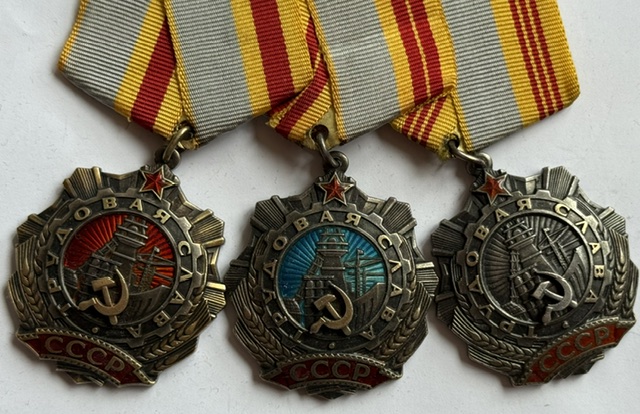
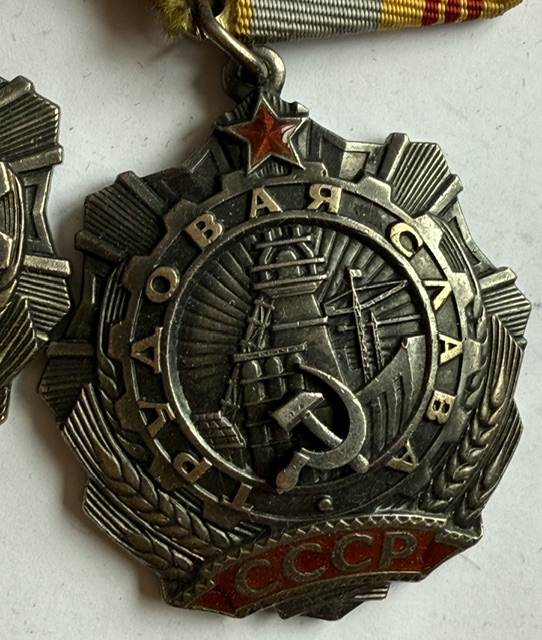
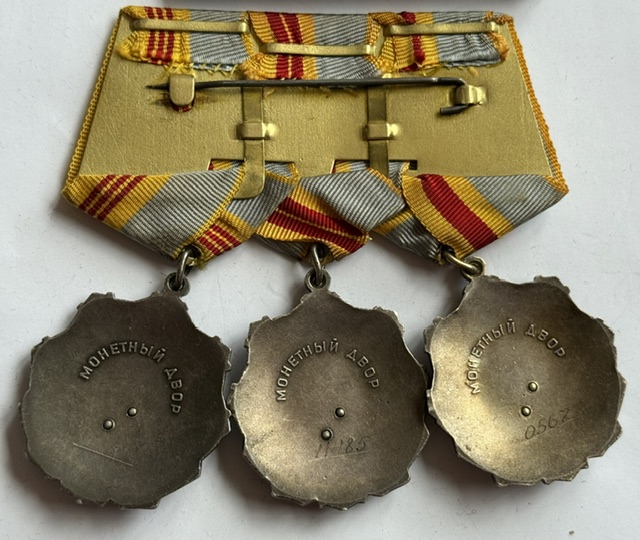
Korovina became a Full Cavalier of the Order of Labor Glory, one of the highest labor distinctions in the Soviet Union.
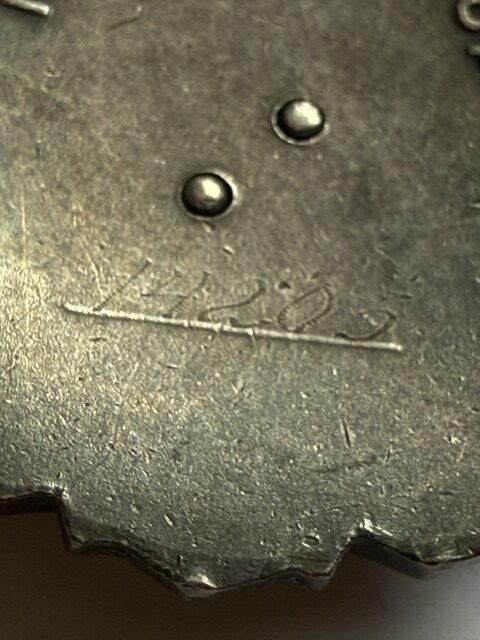
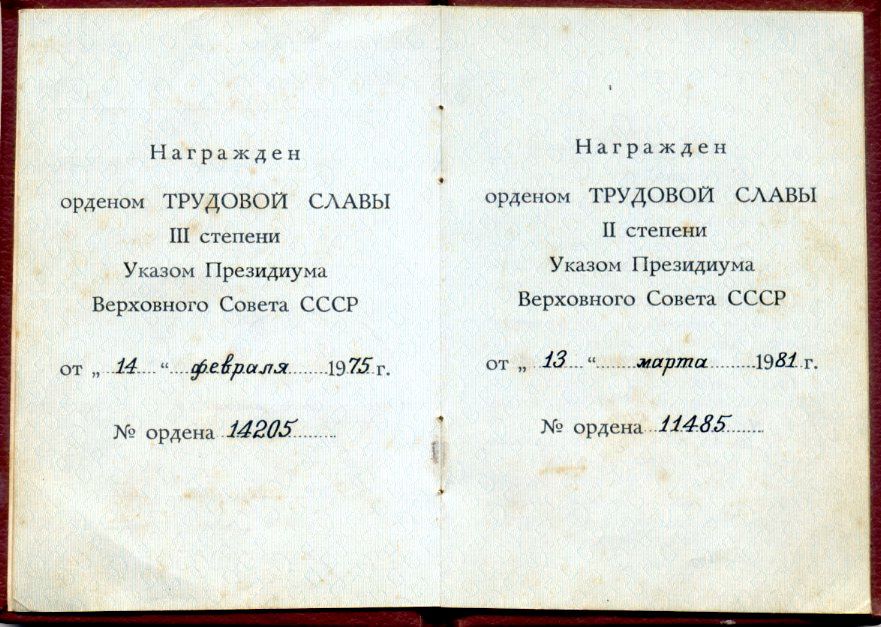
Order of Labor Glory, Third Class
Decree Date: February 14, 1975
Award Number: 14,205
Awarded for outstanding achievements in socialist competition and fulfillment of livestock production plans.
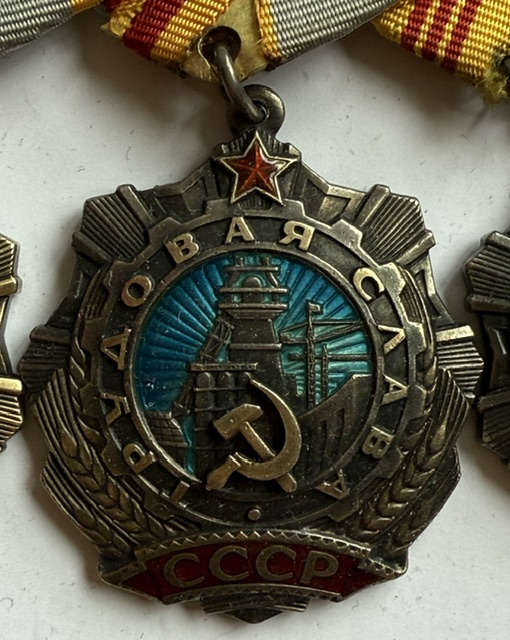
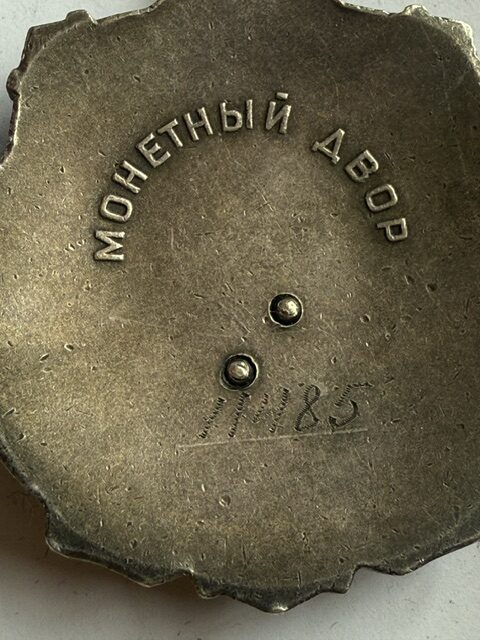
Order of Labor Glory, Second Class
Decree Date: March 13, 1981
Award Number: 11,485
Awarded for exceptional performance during the Tenth Five-Year Plan and increased livestock production.
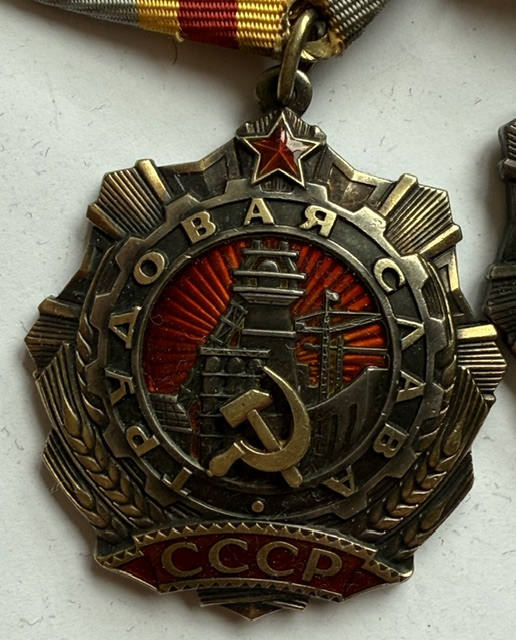
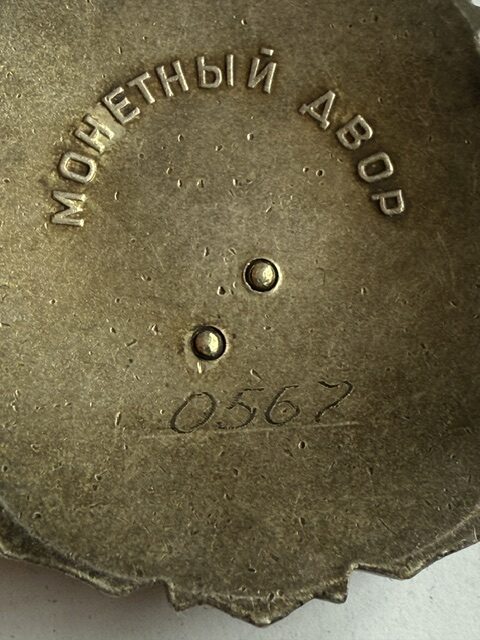
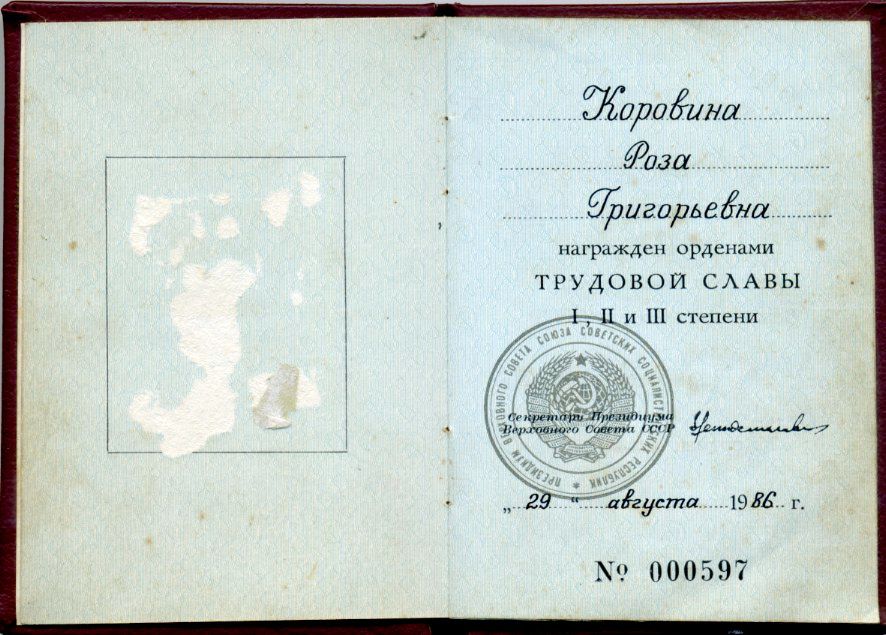
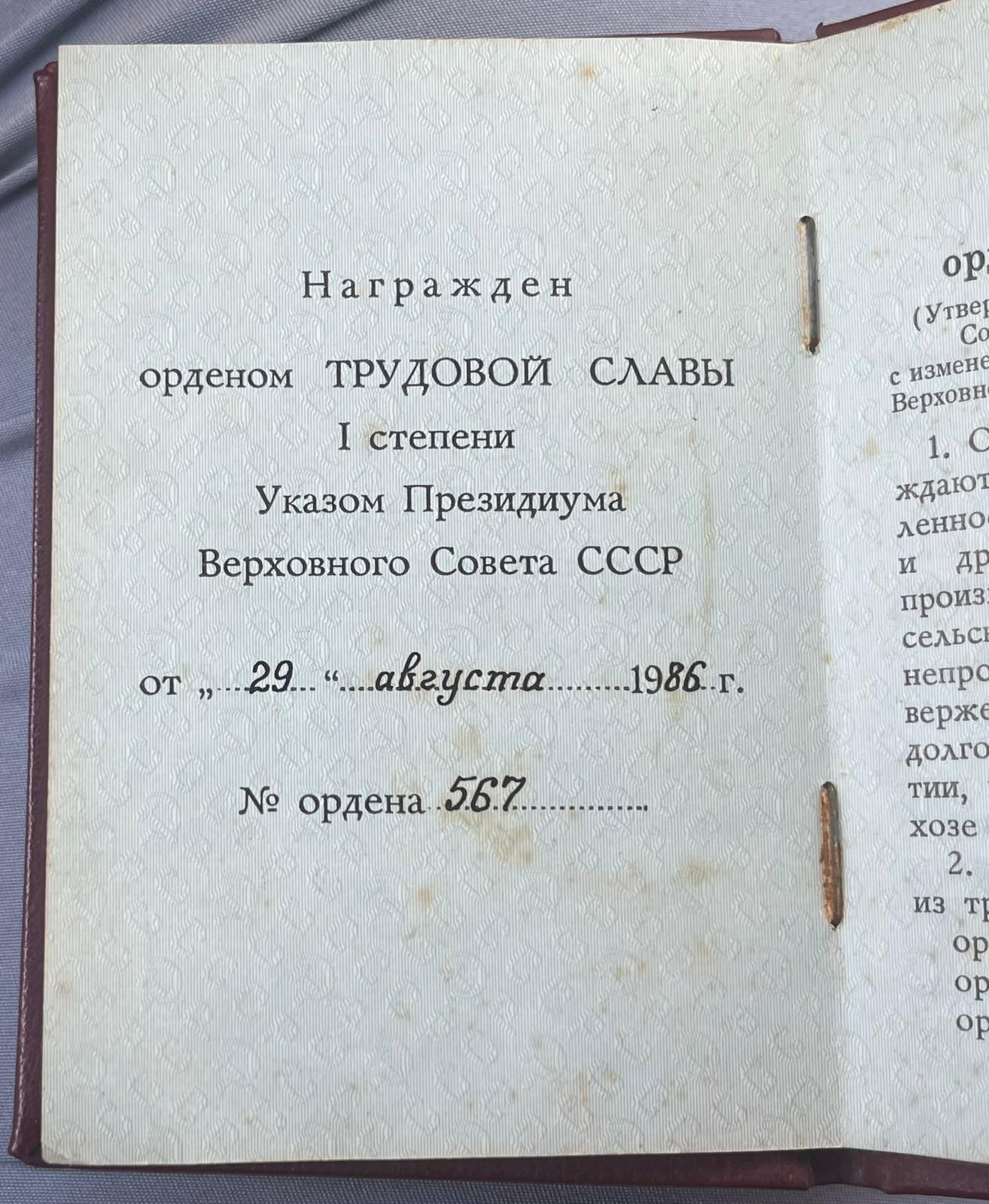
Order of Labor Glory, First Class
Decree Date: August 29, 1986
Award Number: 567
Awarded for outstanding results in agricultural production achieved through advanced methods and intensive technologies.
Following this award, she became a Full Cavalier of the Order of Labor Glory.
Other Awards and Honors
In addition to the three Orders of Labor Glory, Korovina received:
- Various Soviet medals.
- VDNKh medals and awards.
- “Shock Worker of the Five-Year Plan” badges.
- “Winner of Socialist Competition” badges.
- Medal “For Special Contribution to the Development of Kuzbass”, Second Class (January 8, 2003).
Historical Significance
The Order of Labor Glory was often considered the civilian equivalent of the military Order of Glory.
Only approximately 950 people became Full Cavaliers of the Order of Labor Glory throughout Soviet history
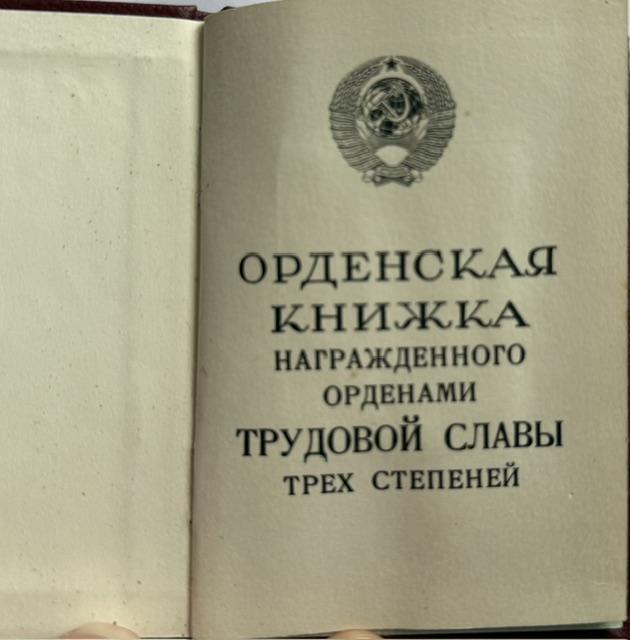
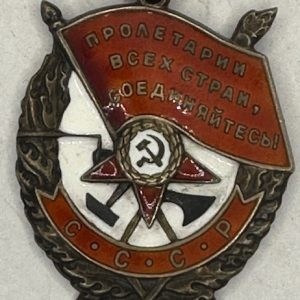
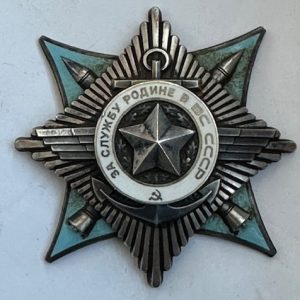
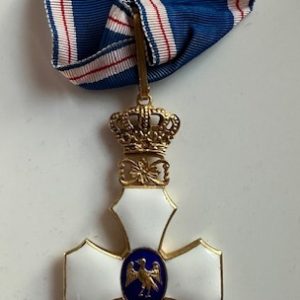
The orders and award books are in excellent mint condition